How Property Type (Residential, Commercial, Land) Affects Your Loan Options
Once construction is complete on a new commercial or residential property, developers and investors face a pivotal question: which construction exit strategy makes the most sense: sell, hold, or rent? Let’s crunch the numbers and review the latest data to determine the optimal route for your newly built property.
Understanding which loan types align with residential, commercial, or land purchases can help you avoid financing roadblocks and choose the best type of loan. Below is a detailed breakdown of how property type shapes your loan options for investment properties, along with a quick reference table to guide your decisions.

How Residential Property Type Affects Your Loan Choices
Residential properties include single family homes, small multifamily buildings with one to four units, condos, and townhomes. Residential properties qualify for the widest range of traditional loan programs.
Conventional Loans
Conventional loans are the most common option for investors purchasing residential rentals. They offer competitive rates but typically require stronger credit profiles and down payments of 15 percent or more for investment properties. However, lower rates often accompany conventional loans, provided the investor meets standard credit and income guidelines.
FHA Loans and Residential Restrictions
FHA loans cannot be used to purchase investment properties unless the borrower lives in one of the units. FHA financing is strictly for primary residences, even if the property contains up to four units, meaning that the loan is not suitable for investors who intend to purchase non-owner occupied rentals.
VA Loans
Similar to FHA, VA loans require owner occupancy. Investors cannot buy a residential investment property with VA financing unless they will live in one unit of a one to four unit home. Because of this requirement, VA loans are rarely used by investors unless they begin as owner occupants.
DSCR Loans
Debt Service Coverage Ratio (DSCR) loans are designed specifically for investment properties. Rather than relying heavily on borrower income, DSCR loans evaluate the property’s ability to generate rental income that covers the mortgage payment. Many investors view DSCR loans as a leading choice among investment property loan options for residential rentals.
How Commercial Property Type Affects Your Loan Choices
Commercial real estate includes multifamily buildings with five or more units, office buildings, retail spaces, warehouses, mixed use structures, and industrial facilities. Because commercial investments are higher risk and often larger in scale, they require different financing structures.
Commercial Mortgages
Traditional lenders offer commercial mortgages, but these loans often have stricter underwriting, higher rates, and shorter terms than residential loans. They typically involve balloon payments and more detailed financial documentation about property revenue and operations.
SBA Loans
The Small Business Administration (SBA) offers loan programs for business owners purchasing commercial property for their own operations. SBA 504 and SBA 7a loans require the business to occupy a majority of the building. Investors seeking passive income from leased tenants do not generally qualify.
Hard Money Loans
Commercial investors often use hard money financing to acquire properties quickly or fund projects requiring substantial renovation. These loans are asset based and prioritize property value over borrower credit. Hard money lenders commonly serve investors who need short term solutions while stabilizing or repositioning a commercial asset.
CMBS Loans
Commercial Mortgage Backed Securities (CMBS) loans finance larger commercial deals. They offer non recourse terms but are less flexible and involve complex structures, making them more suitable for seasoned investors.
How Land Type Affects Your Loan Choices
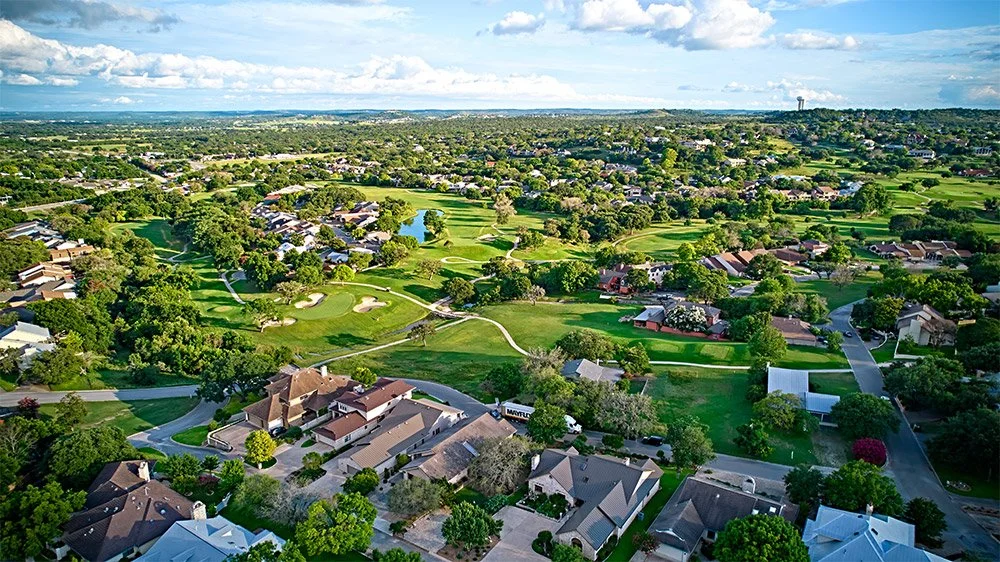
Land financing is more restrictive because raw land lacks structures to serve as collateral. Some lenders view land loans as high risk, particularly when the land is undeveloped.
Raw Land Loans
Raw land loans typically require high down payments and thorough evaluations of zoning, access, and future development plans. Rates and terms are often less favorable because the land does not generate income.
Construction Loans
A loan for a new construction isn’t the same as a land loan. A land loan does not imply the intent to build on the land.
If your goal is to build, a construction loan may be the most appropriate option. Construction financing releases funds in stages as the project progresses. These loans require detailed plans and cost estimates.
USDA Loans for Rural Land
Some rural land may qualify for USDA financing, but only when tied to primary residence construction. Investors cannot use USDA loans to purchase land as an investment.
Loan Options by Property Type: Quick Reference Table
| Property Type | Suitable Loan Types | Unsuitable Loan Types |
| Residential (1 to 4 units) | Conventional, DSCR, Hard Money | FHA for non occupant investors, VA for non occupant investors |
| Commercial (5 plus units or commercial use) | Commercial Mortgages, SBA 504 or 7a for owner users, Hard Money, CMBS | FHA, VA, Conventional residential |
| Land (raw or undeveloped) | Land Loans, Construction Loans, Some USDA programs for owner occupants | FHA, VA, Conventional residential, DSCR |

Explore Lending Solutions for Any Property Type with Capstone Capital Partners
If you’re assessing investment property loan options, knowing how residential, commercial, and land classifications impact your eligibility will help you make informed decisions and avoid delays. Trust the experts at Capstone Capital Partners to provide information you need to make that informed decision.
Capstone’s team of private money lenders will provide a reliable, clear, and hassle-free loan experience for you as you explore financing for your next residential, commercial, or land investment.
If you need fast financing and a reliable, trustworthy partner, contact us today!